There are several challenges that the agriculture industry is currently facing, including:
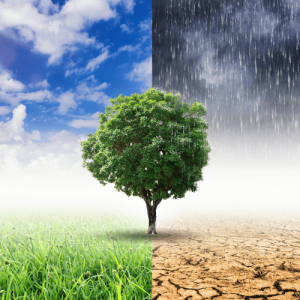
Agriculture is impacted by changing weather patterns and extreme weather events, such as droughts, floods, and heatwaves. These events can lead to crop failures and reduced yields.
Climate change
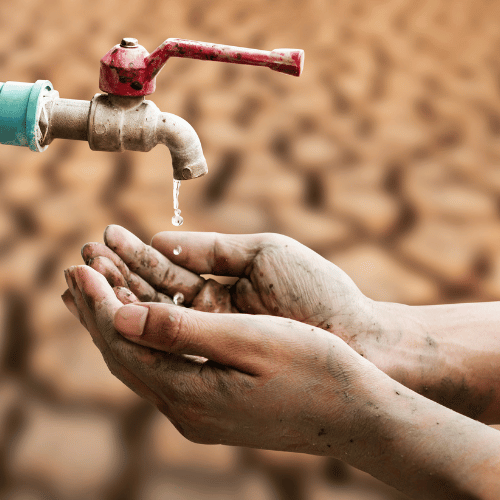
The availability of water for irrigation is a major concern in many areas, as population growth and urbanization increase the demand for water.
Water scarcity
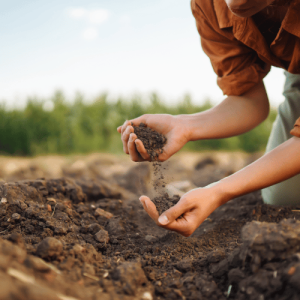
The loss of soil fertility due to erosion, overuse, and pollution is a significant challenge for agriculture, as it reduces crop yields and can lead to land becoming unusable.
Soil degradation
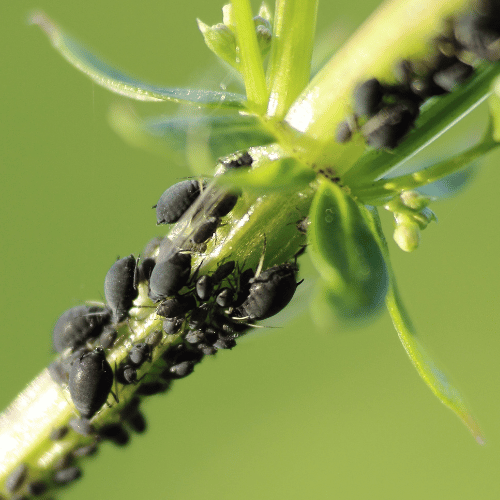
Pest and disease outbreaks can have a major impact on crop yields and the overall health of agricultural systems.
Pest and disease outbreaks
A significant portion of the food that is produced is lost or wasted due to factors such as poor storage, transportation, and processing.
Food waste
There is increasing pressure on the agriculture industry to adopt practices that are more sustainable and environmentally friendly.
Sustainability
Benefits of IoT for Smart Agriculture
There are several benefits of using Internet of Things (IoT) technology in agriculture, including:
IoT devices can be used to monitor and optimize various aspects of agricultural production, such as irrigation, fertilization, and pest control, helping to increase efficiency and reduce waste.
Increased productivity
IoT data can be used to optimize planting and harvesting schedules, helping to increase overall productivity.
Enhanced food safety
IoT devices can be used to monitor food quality and safety during production and distribution, helping to ensure that consumers are getting the highest quality products.
Enhanced crop management
IoT devices can be used to monitor crop health and development, alerting farmers to potential issues and allowing them to take corrective action.
Better resource management
IoT devices can be used to monitor and optimize the use of resources such as water and fertilizer, helping to reduce waste and lower costs.
Improved sustainability
IoT data can be used to identify and implement sustainable agricultural practices, helping to reduce the environmental impact of farming.
Spin Technologies Solution for Smart Agriculture
Spin technologies devices that can be used in smart agriculture, including:
Sensors
Sensors can be used to monitor various aspects of the agricultural environment, such as soil moisture, temperature, and nutrient levels.
Drones
Drones equipped with sensors and cameras can be used to monitor crops and livestock, as well as to apply pesticides and fertilizers.
GPS devices
GPS devices can be used to track the location and movement of livestock, as well as to map fields and optimize irrigation.
Weather stations
Weather stations can be used to collect data on temperature, humidity, precipitation, and other meteorological factors that can impact agriculture.
Smart irrigation systems
Smart irrigation systems use sensors and other technologies to optimize the use of water, reducing waste and improving efficiency.
Smart greenhouses
Smart greenhouses use sensors and other technologies to optimize the growing environment for crops, improving yields and reducing costs.
Overall, the use of these and other IoT devices can help to improve the efficiency and sustainability of agriculture, by providing farmers with real-time data and enabling them to make more informed decisions.