Smart cities are urban areas that use advanced technology to improve the quality of life for their citizens and to create more efficient and sustainable communities. Some challenges that may arise when building a smart city include:
Implementing smart city technology can be expensive, and finding ways to finance these projects can be a challenge.
Smart Cities
Ensuring that all of the different smart technologies in a city work seamlessly together can be a challenge.
Integration
Smart cities rely on advanced technology, which means they are also vulnerable to cyber attacks. Ensuring the security of the city's technology systems is important.
Cybersecurity
Smart buildings require ongoing maintenance to ensure that their technology systems are functioning properly. This can be a challenge, especially if the technology is complex or requires specialized knowledge to maintain
Maintenance
In order for a smart building to be effective, its occupants must be willing to use the technology. Getting people to adopt and use new technology can be a challenge.
User adoption
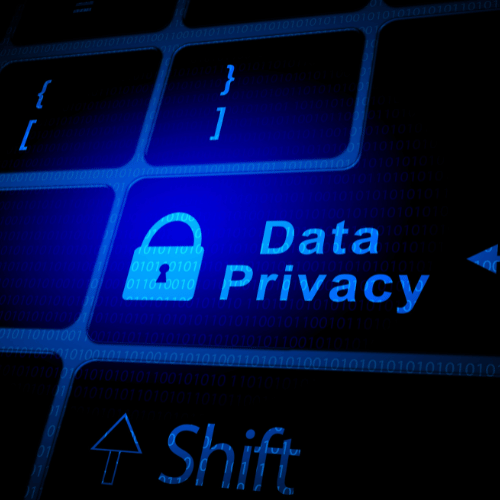
Smart buildings generate a lot of data, which can raise concerns about data privacy. Ensuring that personal data is protected and used ethically can be a challenge.
Data privacy
Ensuring that the benefits of smart city technology are equitably distributed among all citizens can be a challenge.
Equity
Involving the public in the planning and development of smart city projects is important, but getting people involved and ensuring that their voices are heard can be a challenge.
Public engagement
Smart cities may be subject to additional regulatory requirements, such as energy efficiency standards. Ensuring compliance with these requirements can be a challenge.
Regulatory compliance
Benefits of IoT for Smart Cities
The Internet of Things (IoT) can play a significant role in the development of smart cities. IoT technologies can be used to collect and analyze data on various aspects of city operations, such as transportation, energy usage, and public safety. This data can be used to optimize city operations and to identify opportunities for improvement. Some examples of how IoT can be used in smart cities include:
IoT sensors and other technologies can be used to monitor and optimize the flow of traffic, potentially reducing congestion and improving the efficiency of the transportation system.
Smart waste management systems
IoT sensors and other technologies can be used to optimize the collection and processing of waste, potentially reducing the environmental impact of waste disposal.
Increased productivity
IoT devices can be used to optimize the use of space and resources within a building, helping to increase productivity and efficiency.
Smart lighting systems
IoT sensors and other technologies can be used to optimize the operation of streetlights, potentially reducing energy consumption and improving safety.
Smart energy systems
IoT sensors and other technologies can be used to monitor and optimize energy usage in the city, potentially resulting in significant energy savings and reduced greenhouse gas emissions.
Smart public safety systems
IoT sensors and other technologies can be used to monitor and respond to public safety incidents, such as fires, floods, and crime.
Spin Technologies IoT solutions anable the creation of a smart cities.
Smart transportation systems
IoT sensors and other technologies can be used to monitor and optimize the flow of traffic, potentially reducing congestion and improving the efficiency of the transportation system.
Public transportation
Smart transportation tracking solutions can be used to monitor the movement of buses, trains, and other forms of public transportation, and to provide real-time information to passengers on arrival times and other details.
Fleet management
Smart transportation tracking solutions can be used by businesses to monitor the movement of their vehicles, such as delivery trucks or company cars, and to optimize routes and schedules.
Traffic management
Smart transportation tracking solutions can be used by city governments to monitor the movement of vehicles on roads and highways, and to optimize traffic flow and reduce congestion.
Smart energy systems
IoT sensors and other technologies can be used to monitor and optimize energy usage in the city, potentially resulting in significant energy savings and reduced greenhouse gas emissions.
Smart waste management systems
IoT sensors and other technologies can be used to optimize the collection and processing of waste, potentially reducing the environmental impact of waste disposal.